ARTICLE SUMMERY: When we think about AI, it’s hard not to be amazed at how much has changed in the design industry. But design has always been in a state of flux—new tools, new principles, new processes. UX has never stood still. Neither should we.
Because of AI and the way experiences are now generated in the moment—shaped by users’ immediate reactions—the days of products rendering fixed code that produces exactly what we designed are numbered. Designers can no longer fully predict or control outcomes. This shift forces UX to confront a new kind of material: products defined by non-deterministic behavior.
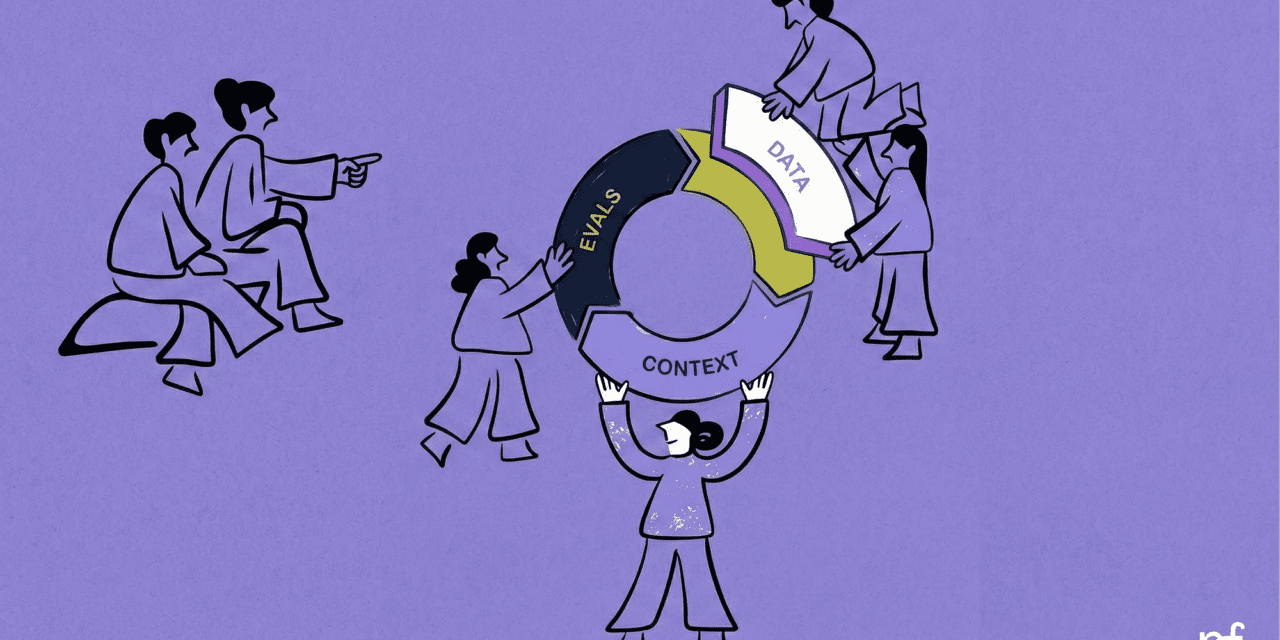
In “The New UX Toolkit: Data, Context, and Evals,” Paz Perez examines how AI is reshaping design—and what designers must do to adapt. The article is focused on:
- How it works today
- A necessary mental shift for designers
- The new toolkit: Data, context, and evals
Designers need to stop thinking only in terms of fixed systems and start designing for how people actually behave. AI is nothing more than a tool that designers can use to shape and improve using user-centered thinking.
In this new phase of design, it’s essential to understand how data was acquired, the behaviors it encourages, and the perspectives it excludes. To succeed, we must define what success actually means—what is acceptable, what is unsafe, and what must never happen. When working with AI, this level of scrutiny is a must.
Paz Perez concludes her article by writing, “Engineering looks after the technology. Product looks after the business. The user, however, is alone without us. This is where UX must step in. Designers need to move upstream, working alongside engineering and product to shape AI products end to end. Go and learn your new tools.”
With the rapid advances in technology this article is a must read. Let us know what you think in the comments.