ARTICLE SUMMARY: When computers became available to the general public, you had a nice, big screen to look at and plenty of time to focus on what you needed to do. There wasn’t the same urgency or pressure to reach a digital destination or complete tasks quickly like there is today.
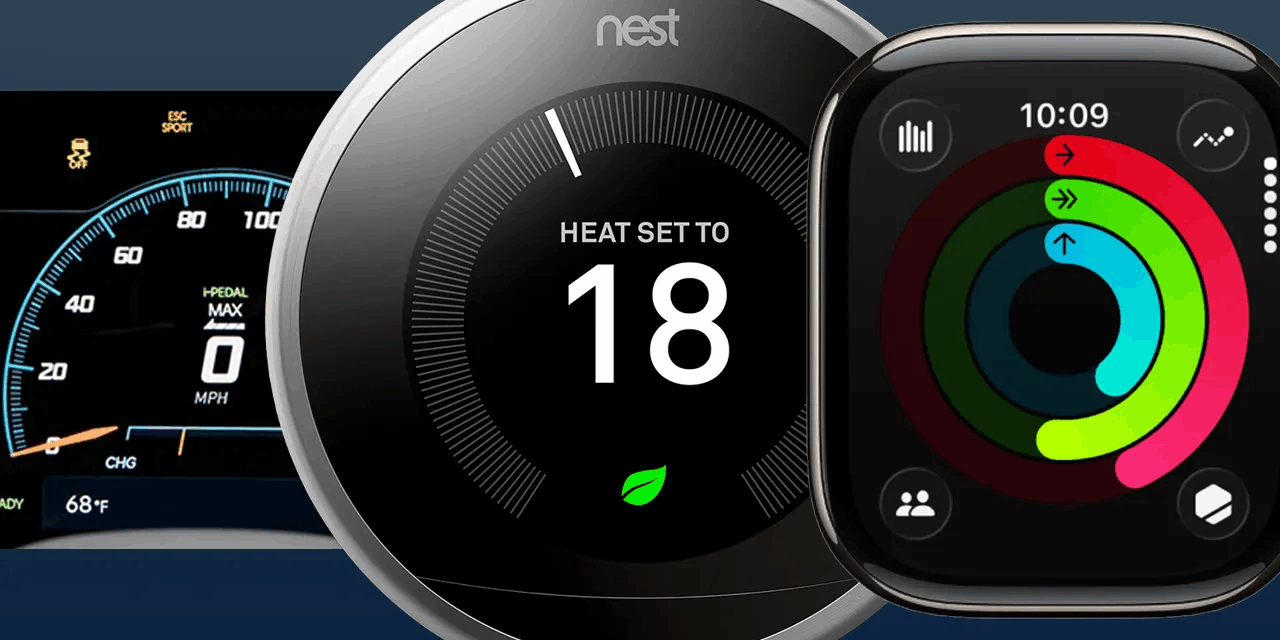
Today, with the reduction in screen sizes, the fast pace of business, and the people’s need for speed on the digital highway, things have changed. Every day we make hundreds of decisions without even thinking about it, glancing at a dashboard, checking a thermostat, or opening a fitness app, we just do it. Each time, our brains decode visual information in less than 250 milliseconds, faster than conscious thought.” Talk about a design challenge.
“Design for Glanceable Interfaces” By Julian Scaff looks at the challenges created by today’s smaller screen sizes and the need to access and interpret information as quickly as possible. He looks at:
- The Science of Glance
- Designing for the Brain’s Fast Lane
- The Beauty of the Blink
The brain has preattentive vision, often referred to as perception, which allows rapid, parallel processing of basic visual properties such as color, orientation, size, motion, and grouping. This means the brain can ‘feel’ a visual scene much faster than it can read it, giving designers the ability to leverage these perceptual shortcuts to create visual clarity without overloading users with text, icons, or labels.
Glanceability is not minimalism. It’s design structured for perception, with the goal of offloading cognitive effort onto perceptual intuition, signaling the brain instantly through color, shape, or position. It’s a must have in the world of wearables and heads-up displays, making glanceable design not just desirable but essential.
With the rapid changes in technology, this article is well worth the read. Let us know what you think in the comments.