ARTICLE SUMMARY: Buttons for industrial use on machines, elevators, and early electrical systems have been around since the late 1800s and have been a big part of everyday life. Who would have thought that something as simple as the button could be so psychologically rich and satisfying?
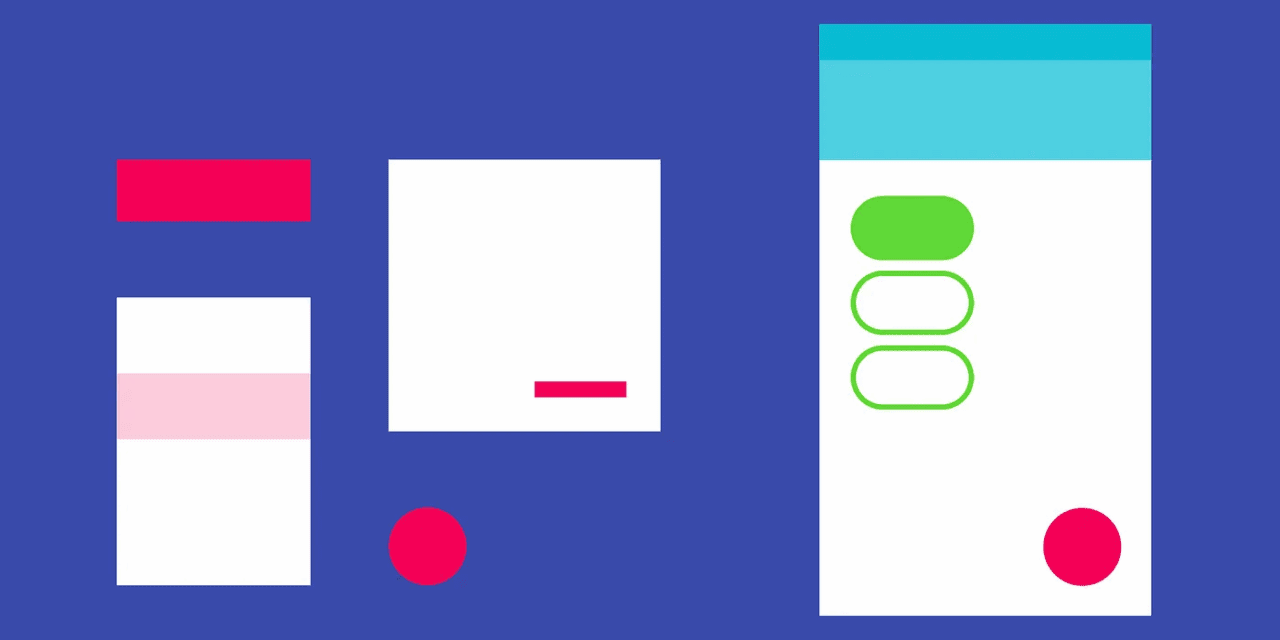
The importance of buttons can not be understated. The key is to avoid creating buttons that feel confusing or intimidating. A well-designed button should look inviting, trustworthy, safe to press and perform as expected.
“The Psychology of Buttons” by Julian Scaff is an in depth look at the science behind button design, and, more importantly, how to create buttons that effectively help guide users toward the actions you want them to take. He looks at:
- The Psychology of Action
- The Semiotics of Shape
- The Pluriversal Palette
There’s a lot that goes into designing buttons, even color is a major consideration. Designers know that different colors carry different meanings, but the challenge is that those meanings aren’t universal. Different cultures interpret the same colors in very different ways.
Julian Scaff concludes his article by reminding us that “The best button design strikes a balance between universal perceptual cues (contrast, shape, motion, and feedback) and localized meanings (color symbolism, linguistic tone, and aesthetic form). Good button psychology does not manipulate; it communicates. It creates a trustful dialogue between human and machine.”
This is a great read for all designers, let us know what you think in the comments.